

Can Allergies Cause Swollen Lymph Nodes? Learn Now!
 Medically reviewed by our experts
 6 min read
 5 citations
Can allergies cause swollen lymph nodes? The short answer is: sometimes, but not always. Allergies typically affect the sinuses and skin. They can occasionally lead to lymph node swelling in the neck.
This article explains the connection between allergic reactions and the lymphatic system. You’ll learn when swelling is normal and when it signals something more serious.
Lymphatic System and Its Response to Allergies
The lymphatic system works as your body’s filtration network. It clears harmful substances and coordinates immune responses. Small bean-shaped structures called lymph nodes act as checkpoints.
They trap bacteria, viruses, and other unwanted materials. Lymph nodes also produce white blood cells to fight threats. This system runs throughout your entire body.
How Allergies Affect Lymph Node Activity
When you have an allergic reaction, your immune system launches into action. Allergens like pollen, dust, or pet dander trigger inflammatory responses. Lymph nodes may swell as they process this increased activity.
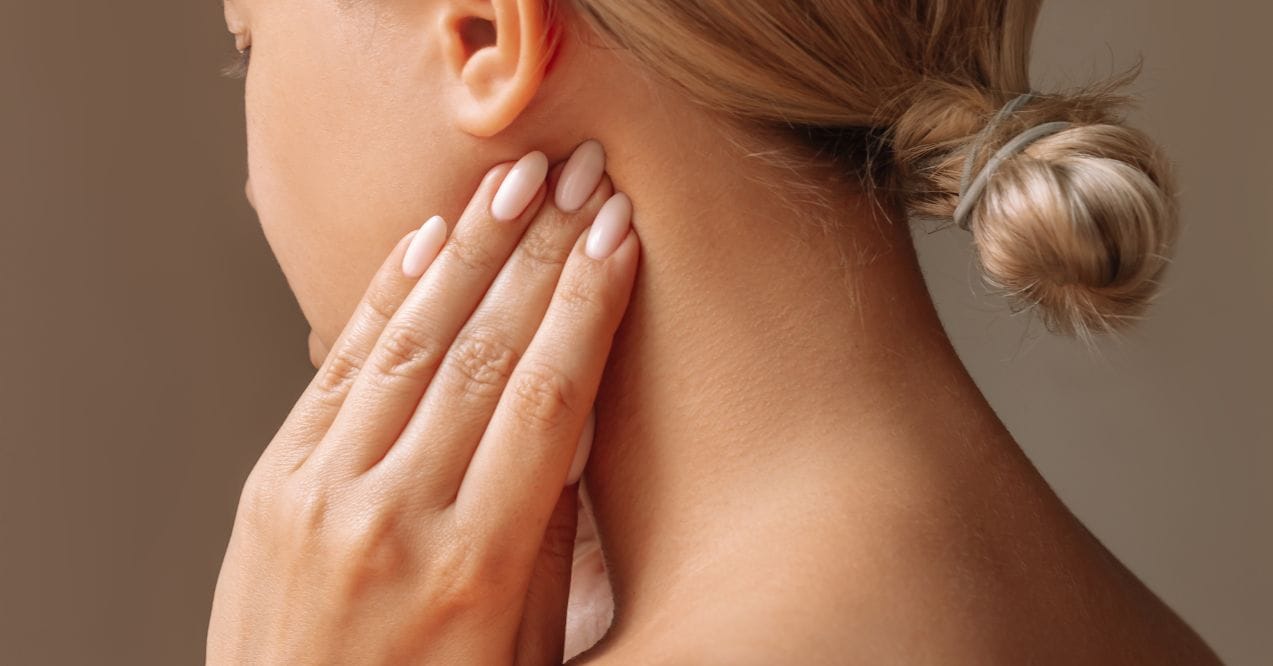
A lymph node in the neck or behind the ears often shows this response. Swelling typically happens when allergies trigger secondary complications. Sinus infections during allergy season can cause nearby nodes to enlarge.
The nodes work harder to filter infection-related debris. This creates the swelling you might feel.
Can Allergies Cause Swollen Lymph Nodes?
Allergies rarely cause lymph node swelling on their own. The connection involves several indirect pathways. Your immune response may create conditions that lead to swelling.
Prolonged allergen exposure can stress your immune system. This may make you more susceptible to infections. These secondary infections become a common cause of swollen lymph nodes during allergy season.
Sinus infections frequently develop when allergens irritate nasal passages. This creates an environment where bacteria thrive. The lymph nodes then swell as they clear the infection.
Pet dander and seasonal pollen may influence node activity in sensitive people. This varies widely from person to person. Some experience mild responses during peak allergy periods.
Others never develop swollen nodes despite severe symptoms. If you notice persistent swelling with your typical runny nose and sneezing, consider other causes. An underlying infection might be present rather than allergies alone.
Allergy Symptoms vs. Signs of Something More Serious
Standard allergy symptoms include a runny nose and itchy eyes. You might experience watery eyes, sneezing, and nasal congestion. Throat irritation is also common.
These symptoms usually appear quickly after allergen exposure. They improve when you leave the triggering environment.
During challenging allergy seasons, your lymphatic system works overtime. It processes extra inflammatory signals and filters increased debris. Some people find that lymphatic health supplements help during these periods. These products may assist your body’s natural filtering processes when seasonal demands run high.
Warning Signs That Need Attention
Certain symptoms suggest issues beyond typical allergies. Night sweats that soak your bedding need evaluation. Unexplained weight loss without dietary changes warrants attention.
Lymph nodes that feel hard or immovable require professional assessment. Nodes that continue growing over weeks also need checking. Persistent fever or severe fatigue could indicate unrelated conditions.
Pay attention to pain levels as well. Mild tenderness differs from sharp, intensifying pain. If discomfort worsens despite managing your allergies, seek medical guidance.
The goal is recognizing when symptoms need expert evaluation.
How to Manage Allergies and Prevent Lymph Node Swelling
Reducing allergen exposure forms the foundation of effective management. During peak allergy season, check daily pollen counts. Limit outdoor activities when levels run high.
Keep windows closed and use air purifiers with HEPA filters. This minimizes indoor allergen accumulation. For those sensitive to pet dander, create allergen-free zones at home.
Practical Prevention Strategies:
- Shower before bed to remove pollen from hair and skin
- Wash bedding weekly in hot water
- Use saline nasal rinses to clear allergens
- Change air filters regularly throughout your home
- Wear sunglasses outdoors to protect eyes
Antihistamines and nasal sprays may help reduce immune overreaction. This potentially minimizes inflammation that contributes to node swelling. When mild swelling occurs, warm compresses can provide relief.
Apply them to the affected area for 10-15 minutes. Do this several times daily. The warmth may help improve drainage and ease discomfort.
Stay well-hydrated and get adequate rest. This helps your immune system function efficiently. Less inflammatory response means less swelling overall.
Conclusion
Allergies can occasionally lead to swollen lymph nodes in the neck. However, they are usually not the primary cause. Taking steps to manage allergies effectively reduces your risk of discomfort.
You can also avoid misdiagnosing more serious health issues. Stay proactive during allergy season. Consult a healthcare provider if swelling persists or comes with concerning symptoms.
Pet allergies typically don’t directly cause lymph node swelling. However, if pet dander triggers severe respiratory inflammation, nodes may swell. This happens when allergies lead to secondary sinus infections. The swelling results from complications rather than the allergic reaction itself.
Mild lymph node tenderness during allergy season can occur. However, it isn’t typical for most people. Swelling during peak pollen periods may indicate a secondary infection. Brief, mild swelling that resolves quickly is less concerning than persistent enlargement.
Allergy-related swelling usually comes with sneezing and itchy eyes. Clear nasal drainage is also common. Infection-related swelling often includes fever and colored mucus. You may have worsening pain and fatigue. Timing and other symptoms provide clues.
Lymph node swelling beyond two weeks warrants medical evaluation. This applies regardless of suspected cause. Even if allergies seem responsible, prolonged swelling could indicate infection. Hard, immovable, or growing nodes especially need professional assessment.
Warm compresses applied to swollen areas may provide relief. Apply them for 10-15 minutes several times daily. Staying hydrated helps drainage. Getting adequate rest allows your immune system to recover. Managing allergies with antihistamines addresses the root cause.
FAQ
References


Related articles